A Blue Defenders research expedition, the story of a magical experience
After months of preparation the wind finally whipped across the bow of the Maxim, carrying the sharp, briny scent of the Caribbean Sea. My hands gripped the rail as the coastline and the harbor of Kralendijk faded. We were a team of researchers, bound not just by the shared goal of an expedition, but by the pursuit of a mystery: understanding the presence, patterns and behavior of the Yarari Marine Sanctuary Sperm Whale population.
For the last two years, these magnificent creatures have been spotted more. Our mission was to document the 'why' behind the 'where', using hydrophones and photo identification.
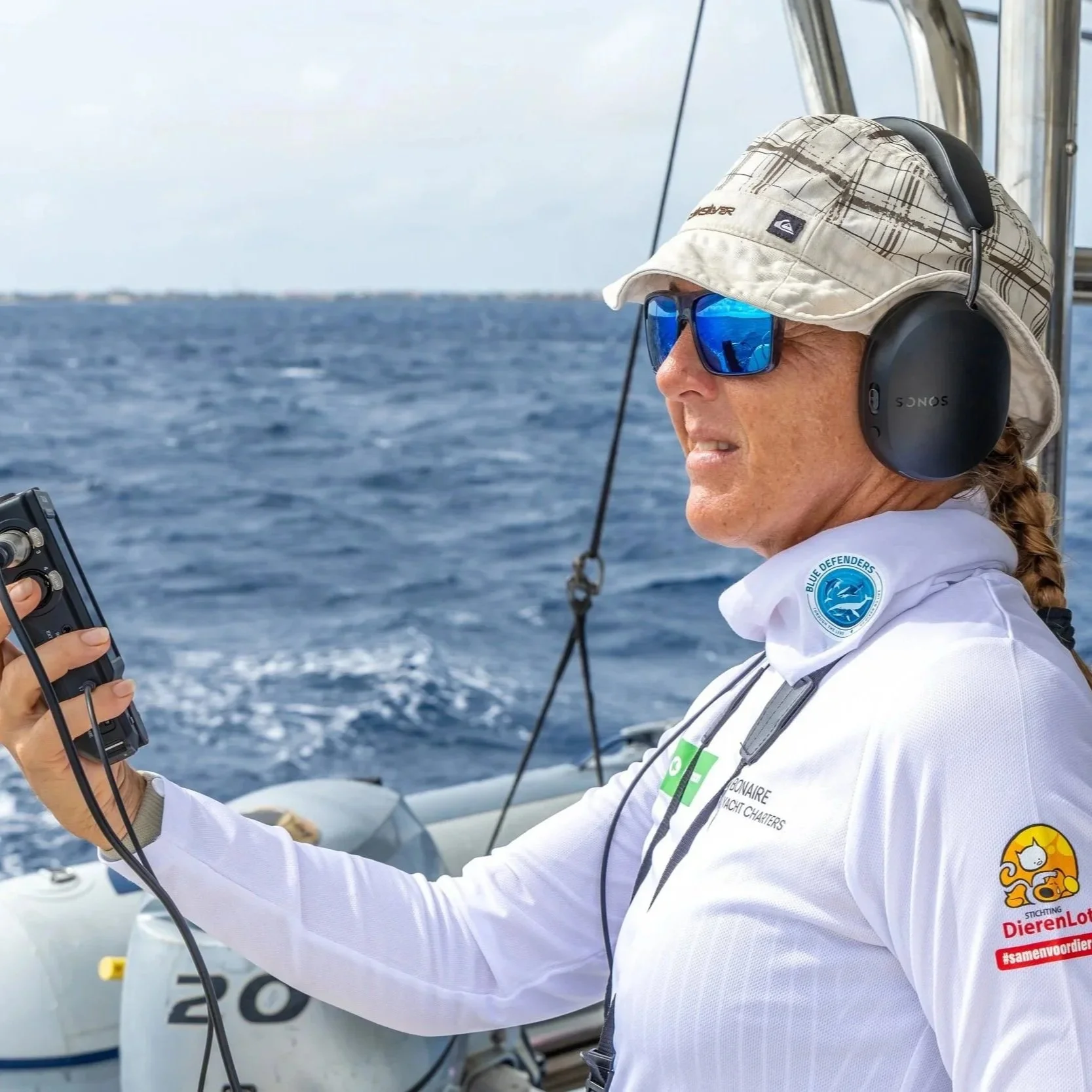
Fieldwork is rarely cinematic. Most days were a monotonous cycle of eight-hour shifts, scanning the horizon through salt-crusted binoculars until our eyes blurred. The rhythm of life on the boat became dictated by data collection, lowering the deep-sea hydrophone, the rhythmic click of the camera shutters, and the endless inputting of geographic information. We lived on strong coffee, had no showers and days with rough seas, but we bonded by the shared commitment and passion for this specific goal.
Our expedition leader organized and assembled a group of people to work on this specific goal. She identified the right individuals with necessary skills, establishing clear objectives, and creating an environment where we could collaborate effectively. Her excitement was priceless and noticeable, especially when we captured a clear acoustic signature.
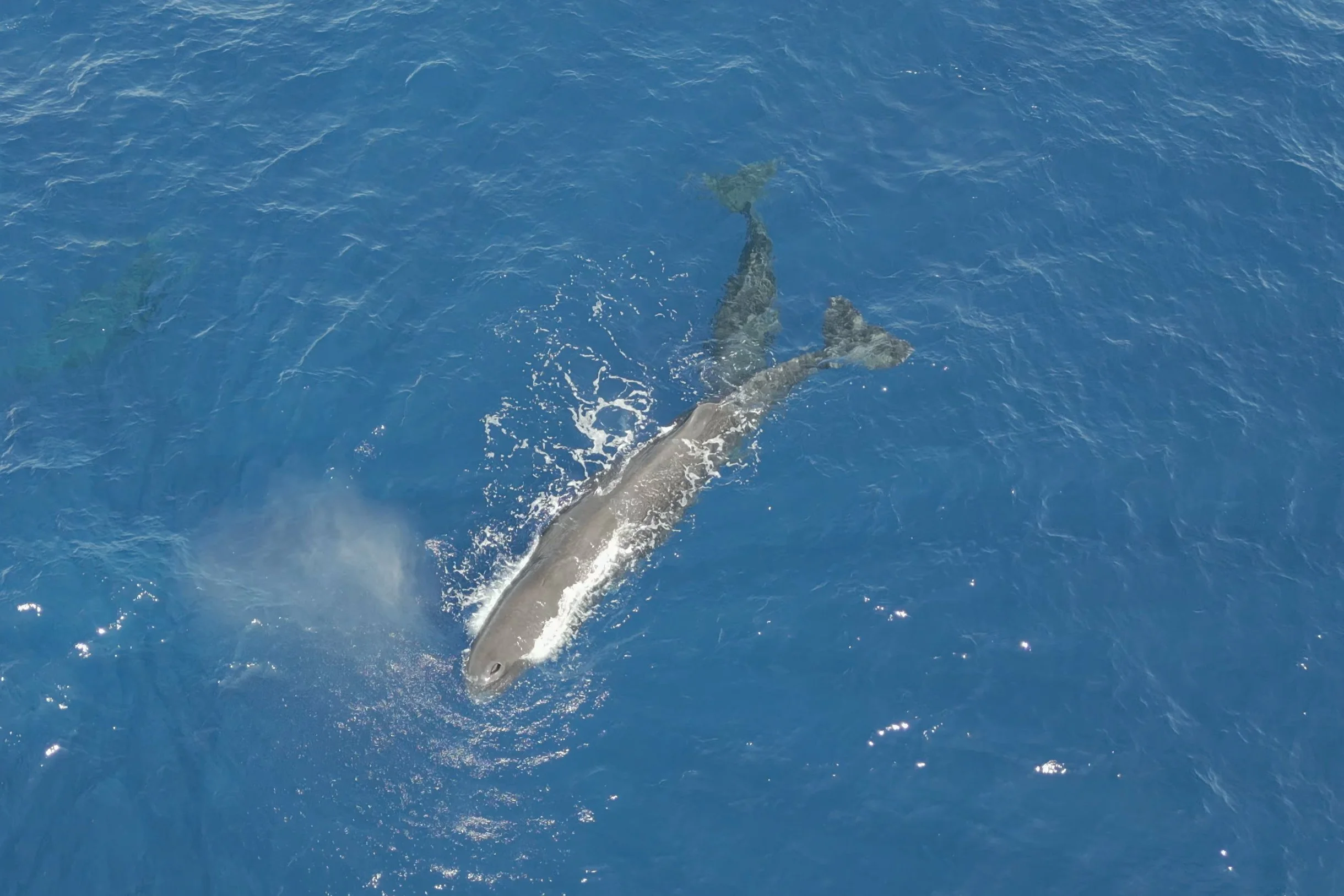
It was early morning, a golden glow hit the sea, dawn broke. revealing a glassy, calm sea, perfect conditions for observation. We all felt the excitement and knew at that moment we would meet these magnificent creatures today. Who would spot the first blow…., then the moment arrived. Someone shouted "Blow!" and again and again "Blow!", "Breach!", "Breach!" Professionalism momentarily dissolved into excited chaos. A Sperm whale launched its fifteen-ton body clear of the water, a spectacular defiance of gravity. Many mothers and calves surfaced and rested around the boat. While we were smelling their pungent and fishy breath and listening to their rhythmic blows, we looked at each other with happy tears in our eyes, and we knew we just started our mission together!
It wasn’t just a short spectacle; it was what happened over the next seven hours, these amazing creatures allowed us to monitor their behavior. Sperm whale mother-calf behavior was shown. Calves participated in nursing and were often "babysat" by other females when their mother’s dove down to forage, while constantly communicating with Codas, allowing the mothers and calves to stay in touch.
While we were still, floating in the ocean monitoring all ocean life surrounding us. The glassy, calm sea suddenly changed in front of us. The resting whales immediately switched their behavior; their calm and rhythmic breaths quickly changed in loud and rhythmic clicks and codas. We felt a shift in energy, we monitored panic in their behavior, was there a predator? We held our breaths while they formed a protective circle around their young while they started slapping their flukes forcefully on the surface of the water. We heard loud, thunderous booms, that probably were heard for miles away, accompanied by massive splashes. It felt like a powerful shockwave, a display of force and size of these immense animals.
These visual confirmations, coupled with the acoustic data and perfect habitat requirements, like warm, temperate and deep waters that offer a reliable supply of deep-sea squid and other prey, alongside a stable and safe social environment for nursing and cooperative calf-rearing, provide a critical piece of evidence of the presence, patterns and behavior of the Yarari Marine Sanctuary Sperm Whale population.
While the sun was setting, we left our beloved Sperm whales. Dolphins were riding the bow of our boat, a combined pod of hundreds of Stenella species, accompanied us towards dawn. What a Magical day!
The last day of our expedition arrived. The pod of Sperm Whales showed up briefly, we said our goodbyes and thanked them again for their trust.
We returned to shore physically exhausted but very happy and intellectually energized. The expedition was a stark reminder that we are merely observers in an ancient, complex dance. The data we collected and the knowledge we gained about presence, patterns and behavior of the magnificent creatures in our ocean will help inform new marine protected area proposals, but the memory that lingers is the power of that breach, the raw, untamed force of nature telling its own story.
Science provides the language for understanding the world, but experiences like this provide reverence. We left the Blue Defenders expedition not just with data logs, but with a renewed commitment to giving these amazing animals a voice in a rapidly changing world.
Teamwork will make the dream work!
Diary of an Expedition
by Nathalie Petersen